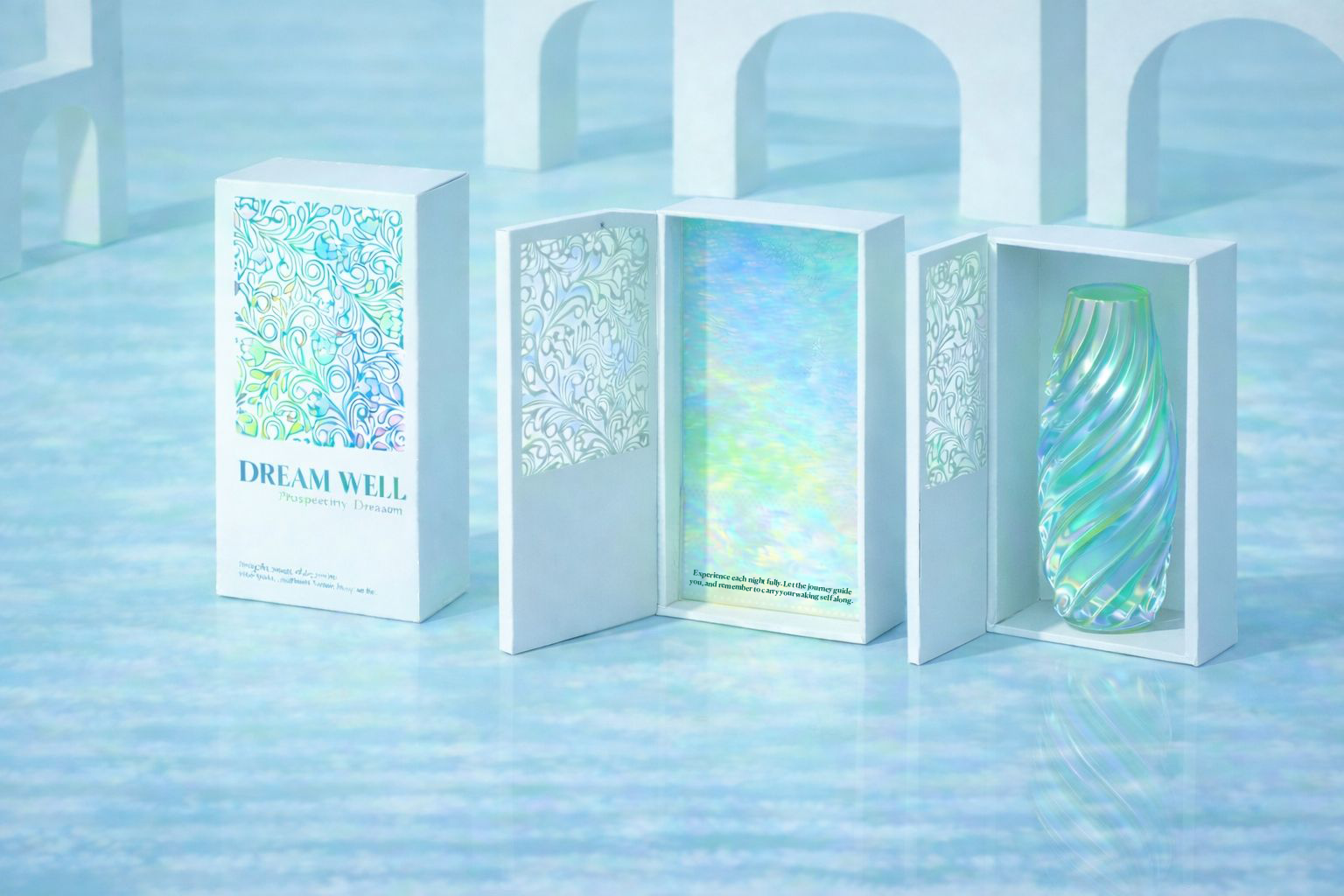
Dream – Master Misery
The Concept
Trading What Is IntimateInspired by Master Misery, I became interested in its warning around selling dreams — the idea that giving away a dream could mean giving away part of yourself.
My research also uncovered real-world practices of buying and selling dreams in South Korea, where dreams can be associated with luck, wealth and future events. This led me to ask: what if dreams could be packaged and sold as products?
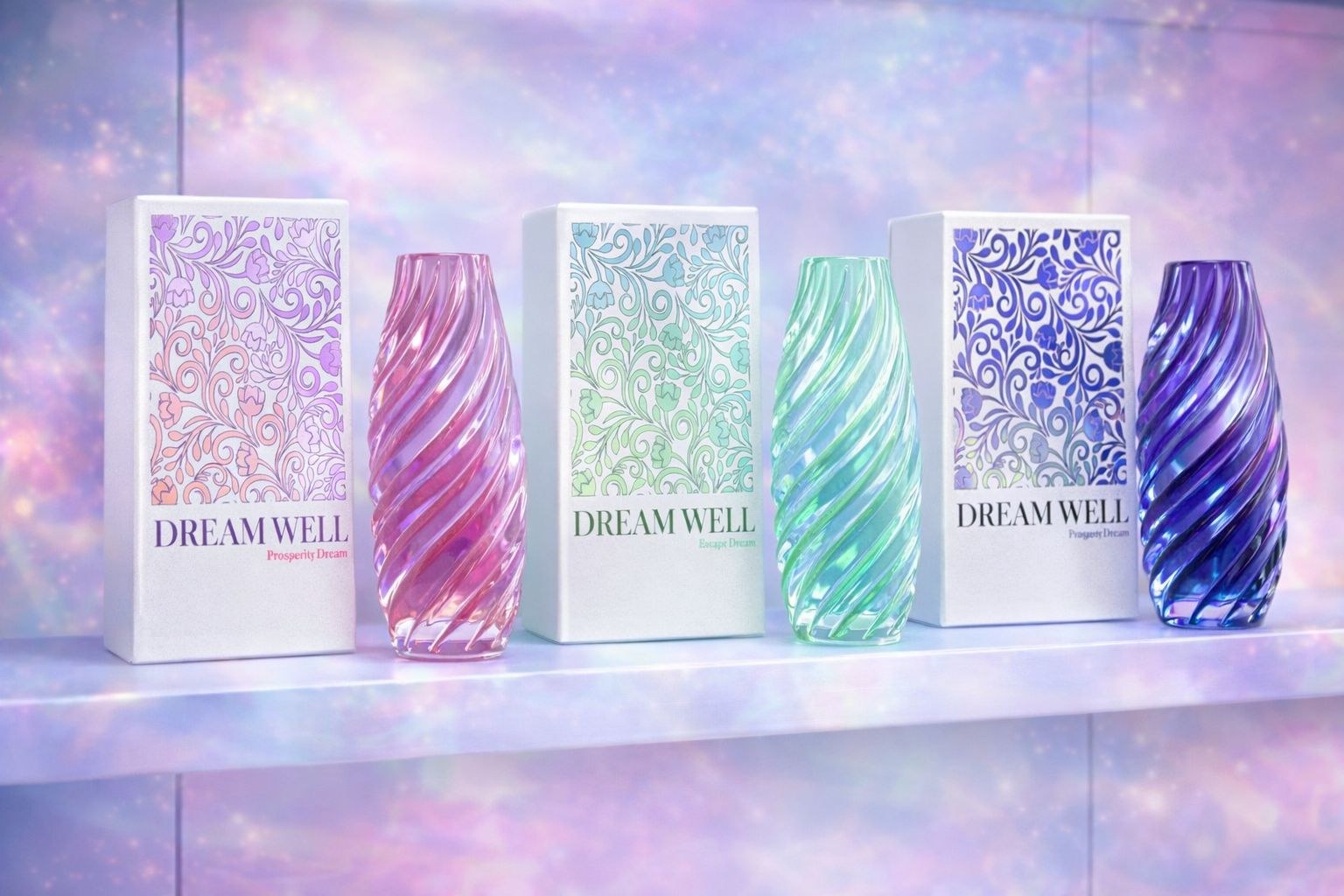
The Approach & 3D Tangibility
Making the Impossible BelievableI developed a speculative dream shop where dreams become purchasable experiences. Rather than designing a functional product, I used branding, 3D modelling and packaging to make an impossible concept feel believable.
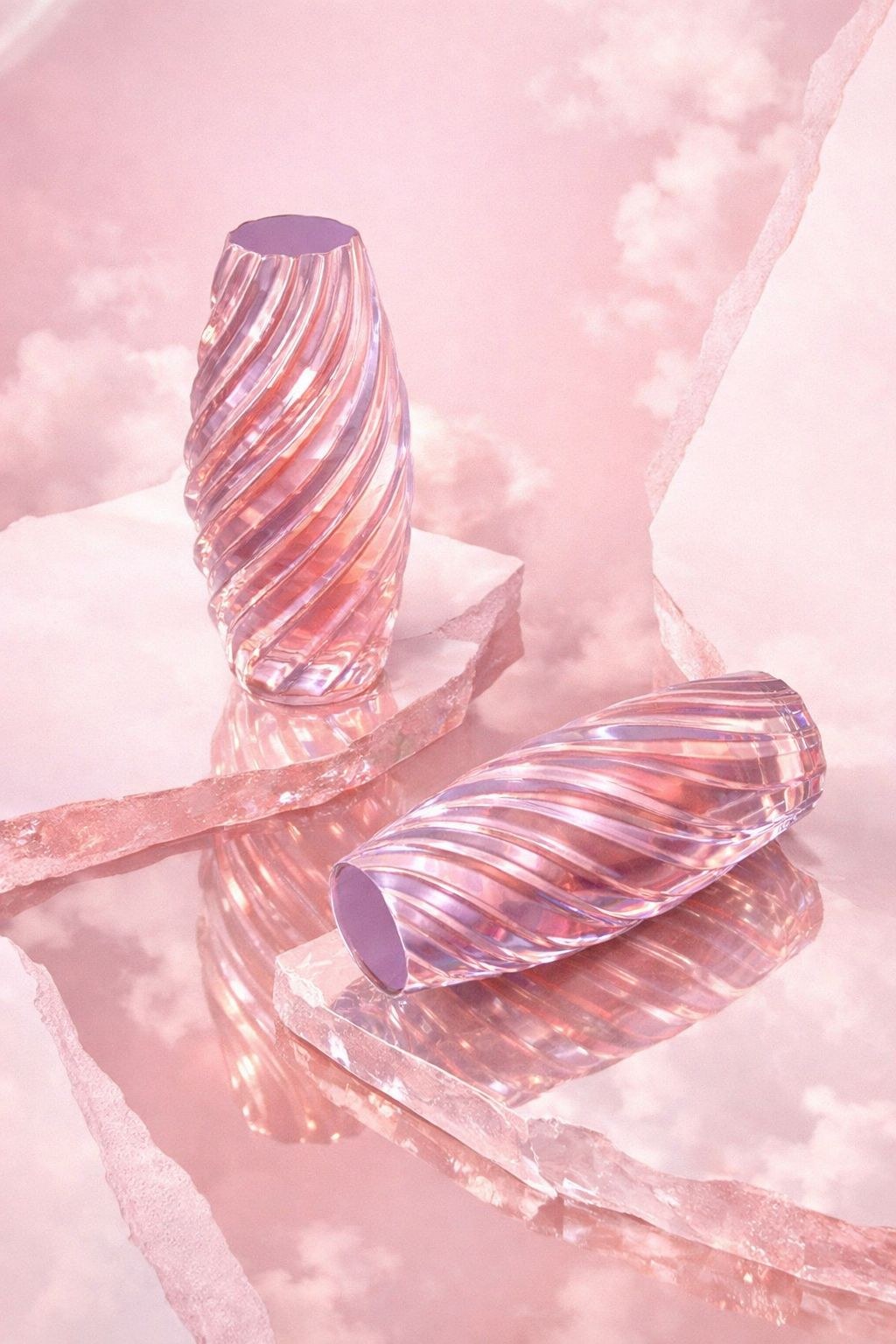
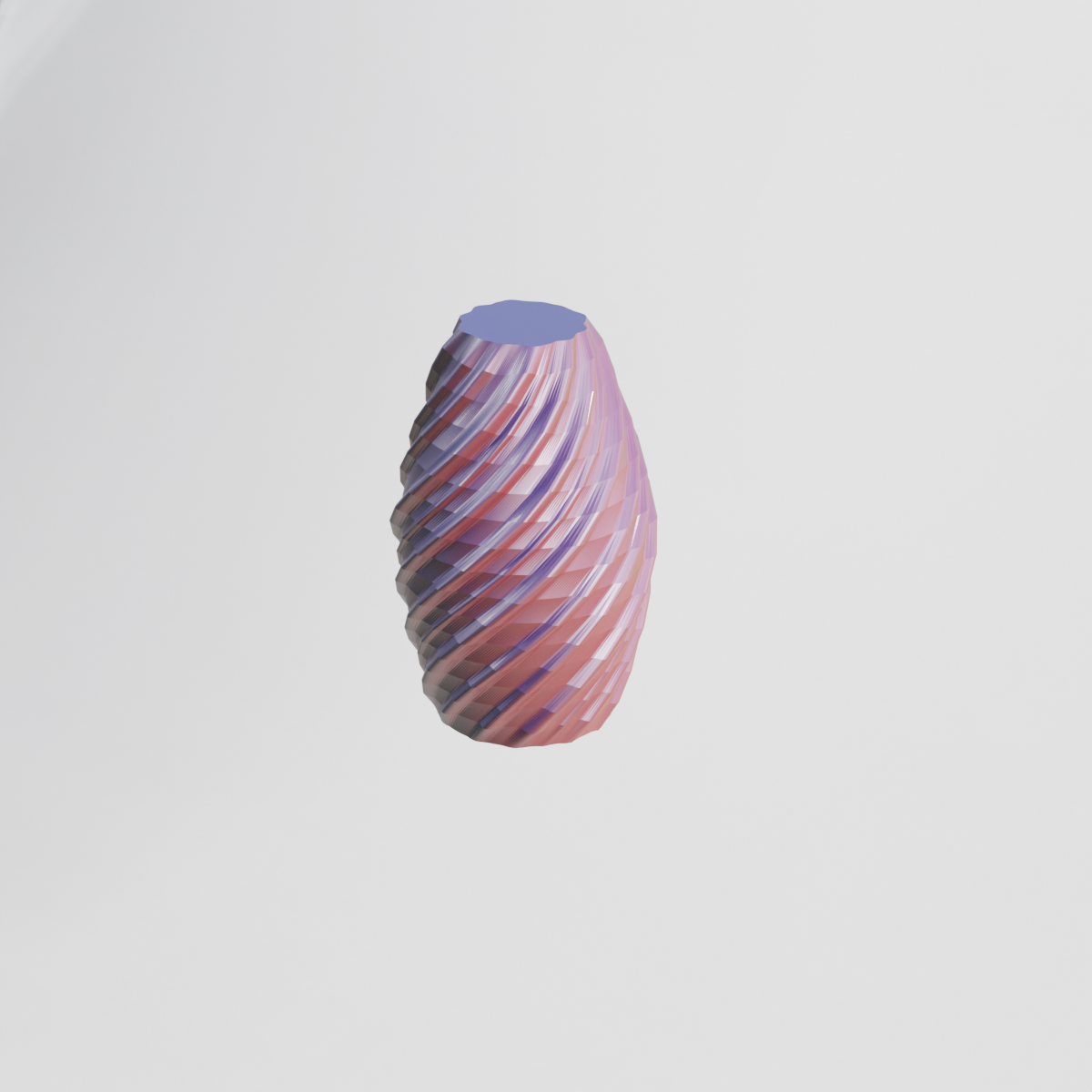
I translated the imagined dream into a physical-looking object using Blender. The holographic surfaces, light and translucent qualities were used to give the product an immersive, otherworldly quality. It explores how material and form communicate the ephemeral feeling of a dream.
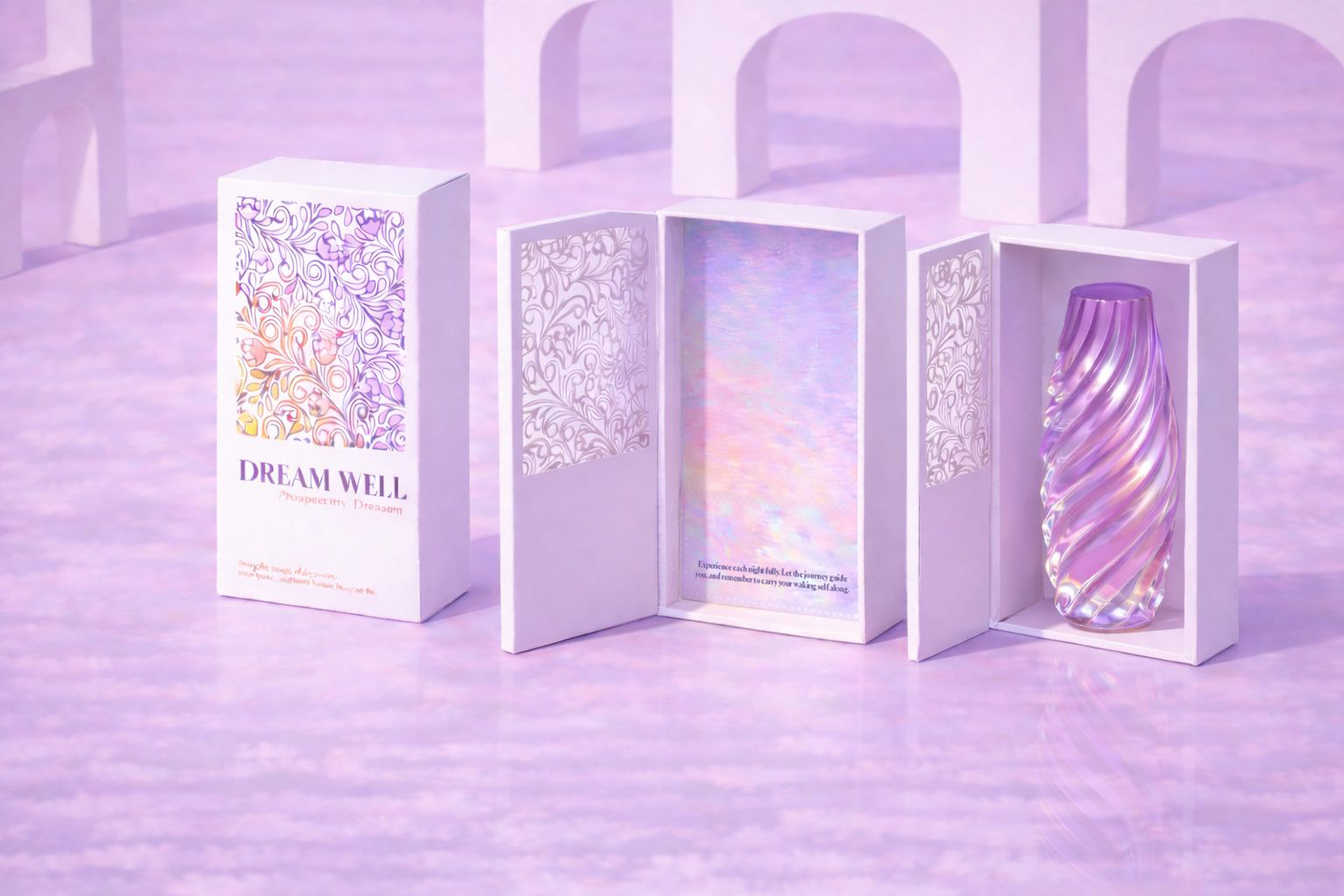
The Packaging & The Caged Floral Pattern
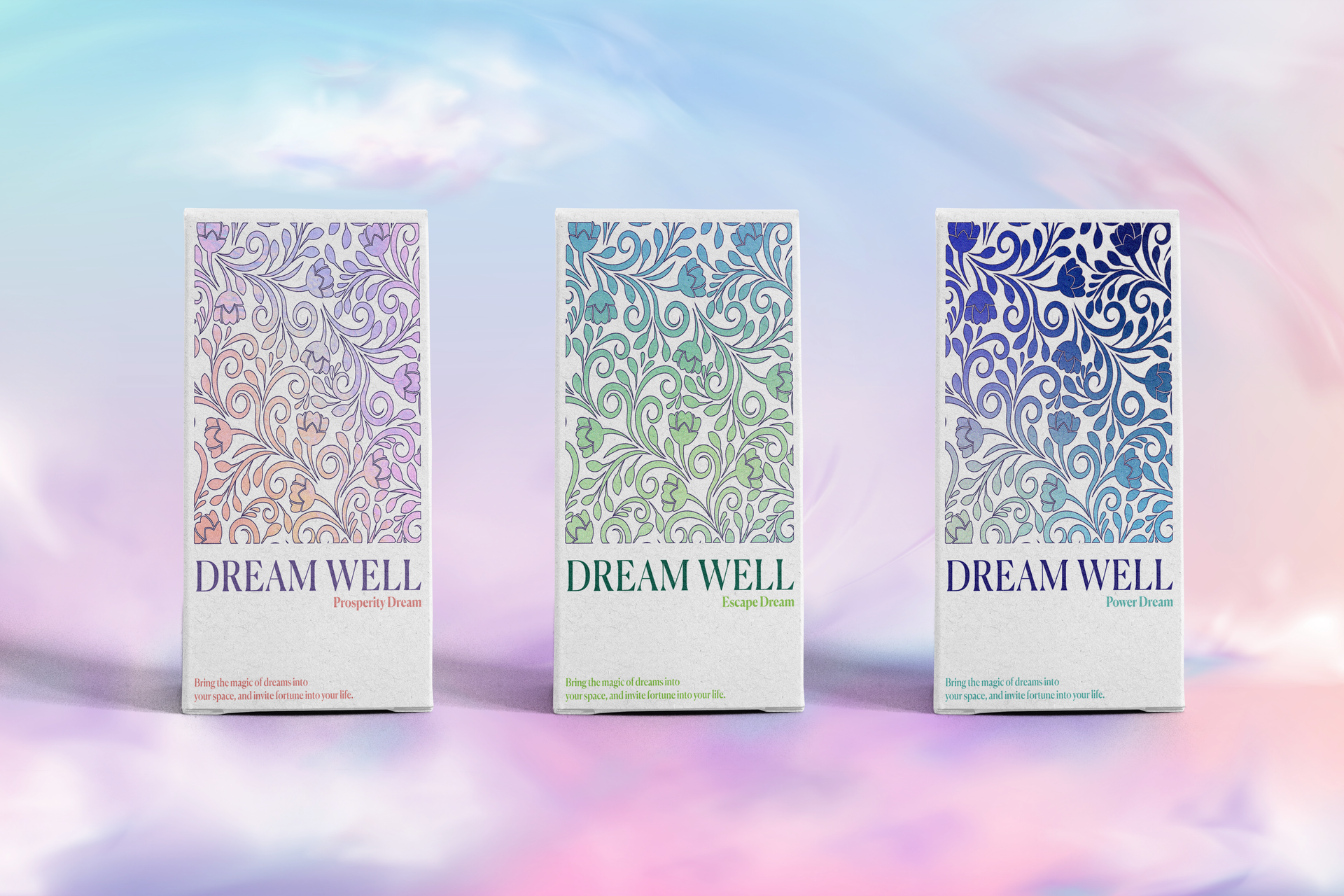
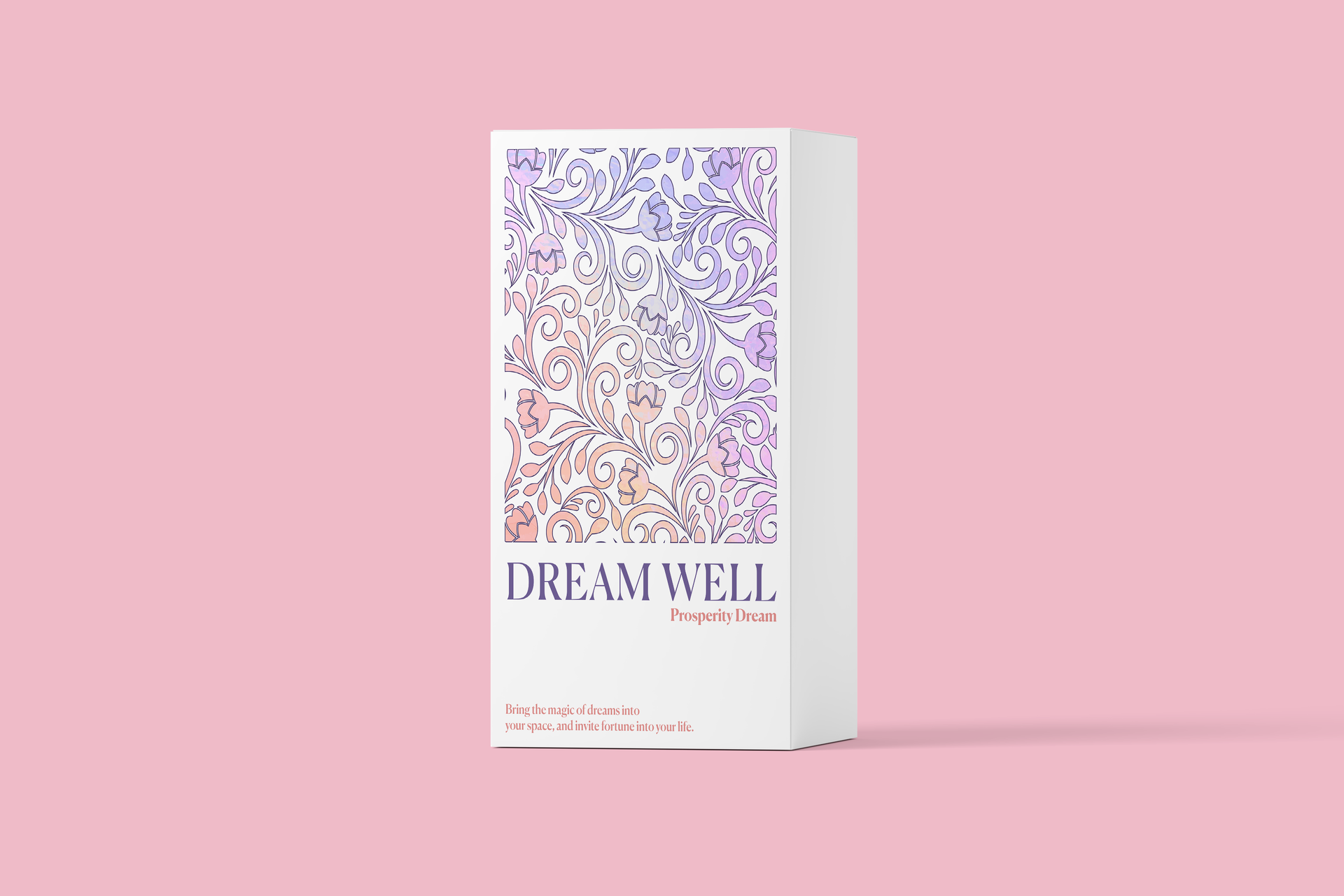
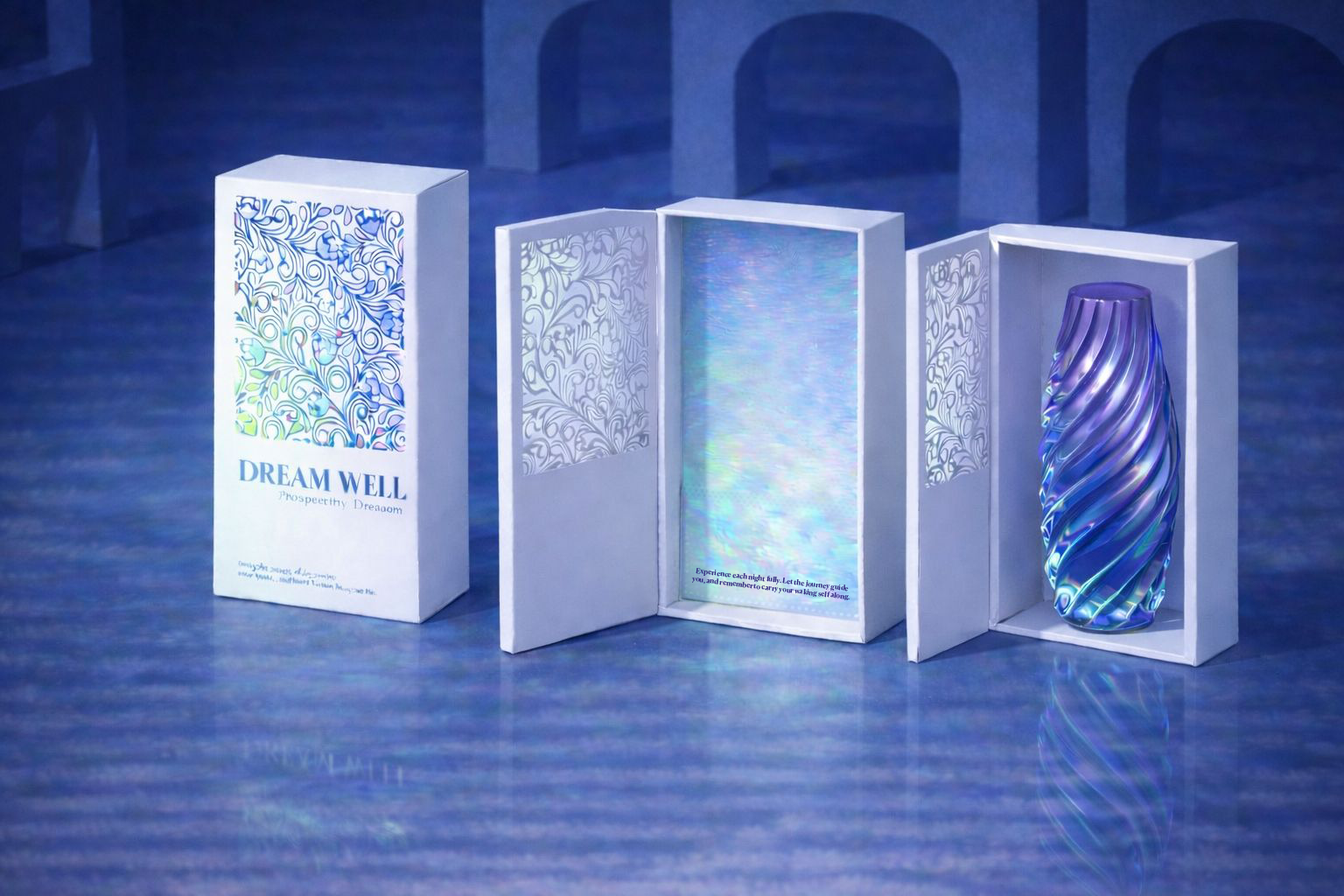
Beauty Hiding RestraintThe packaging deliberately looks inviting before revealing its darker meaning. A floral die-cut pattern wraps around the box, appearing decorative and dreamlike while forming the shape of a cage — representing caging something internal and giving it away.
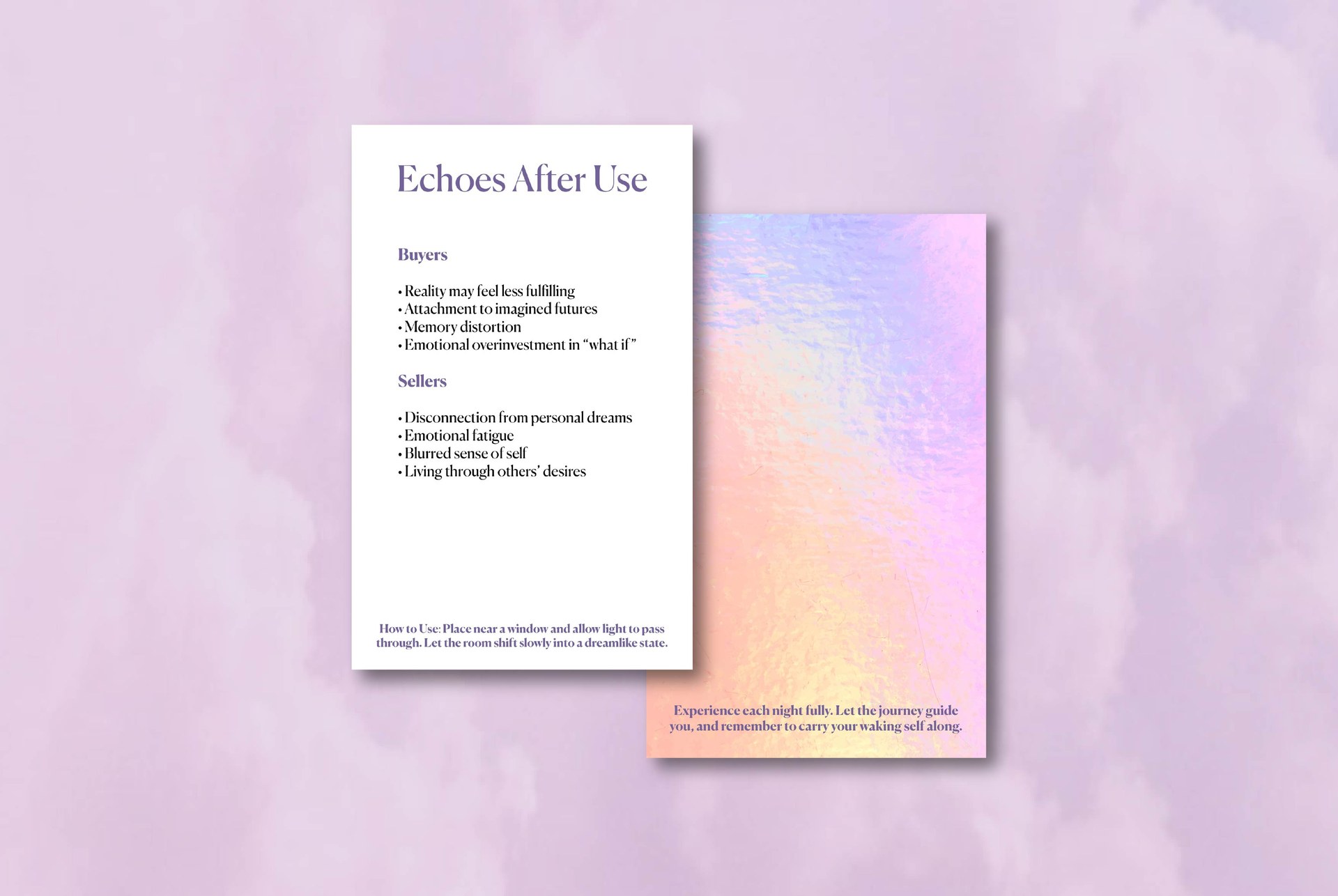
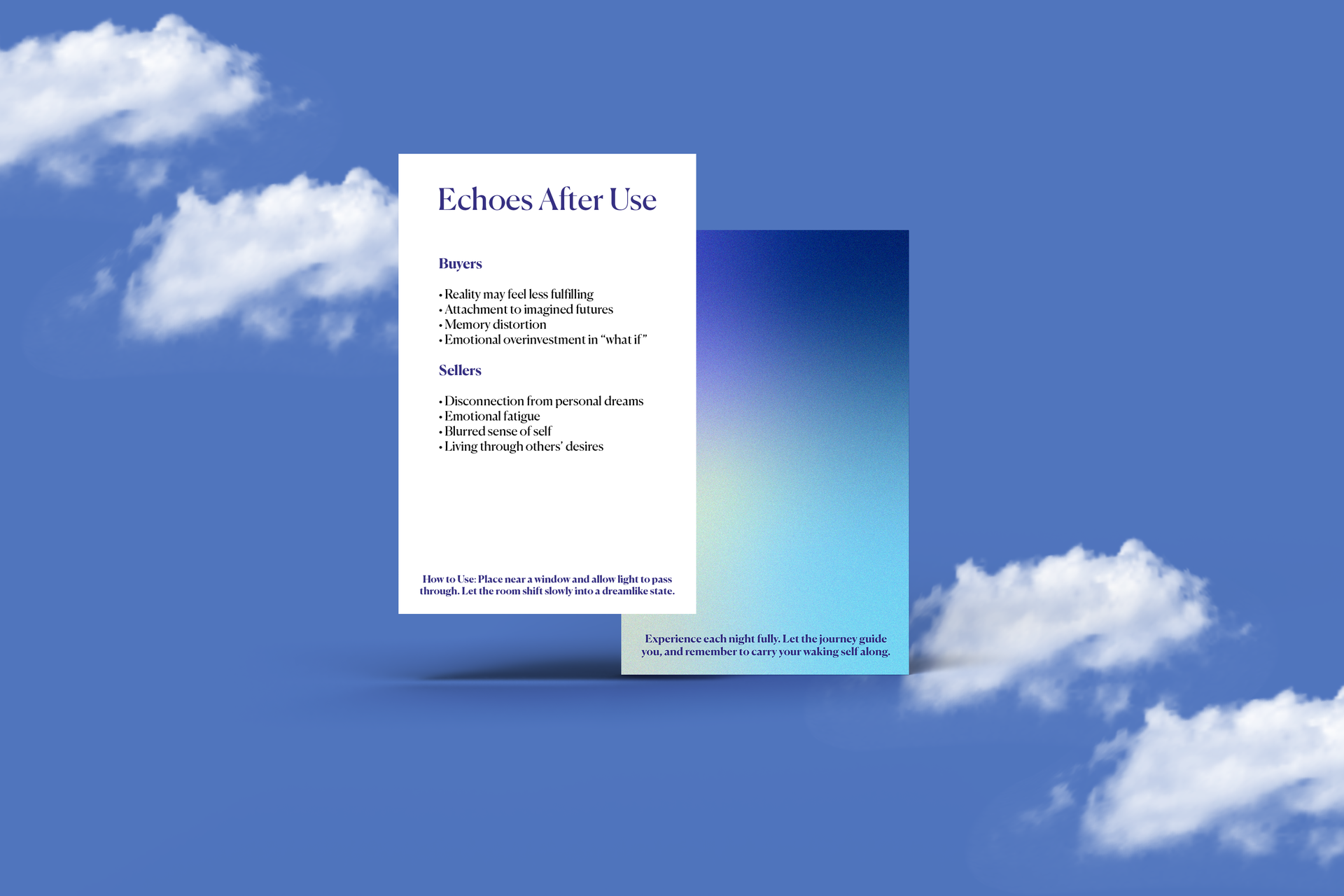
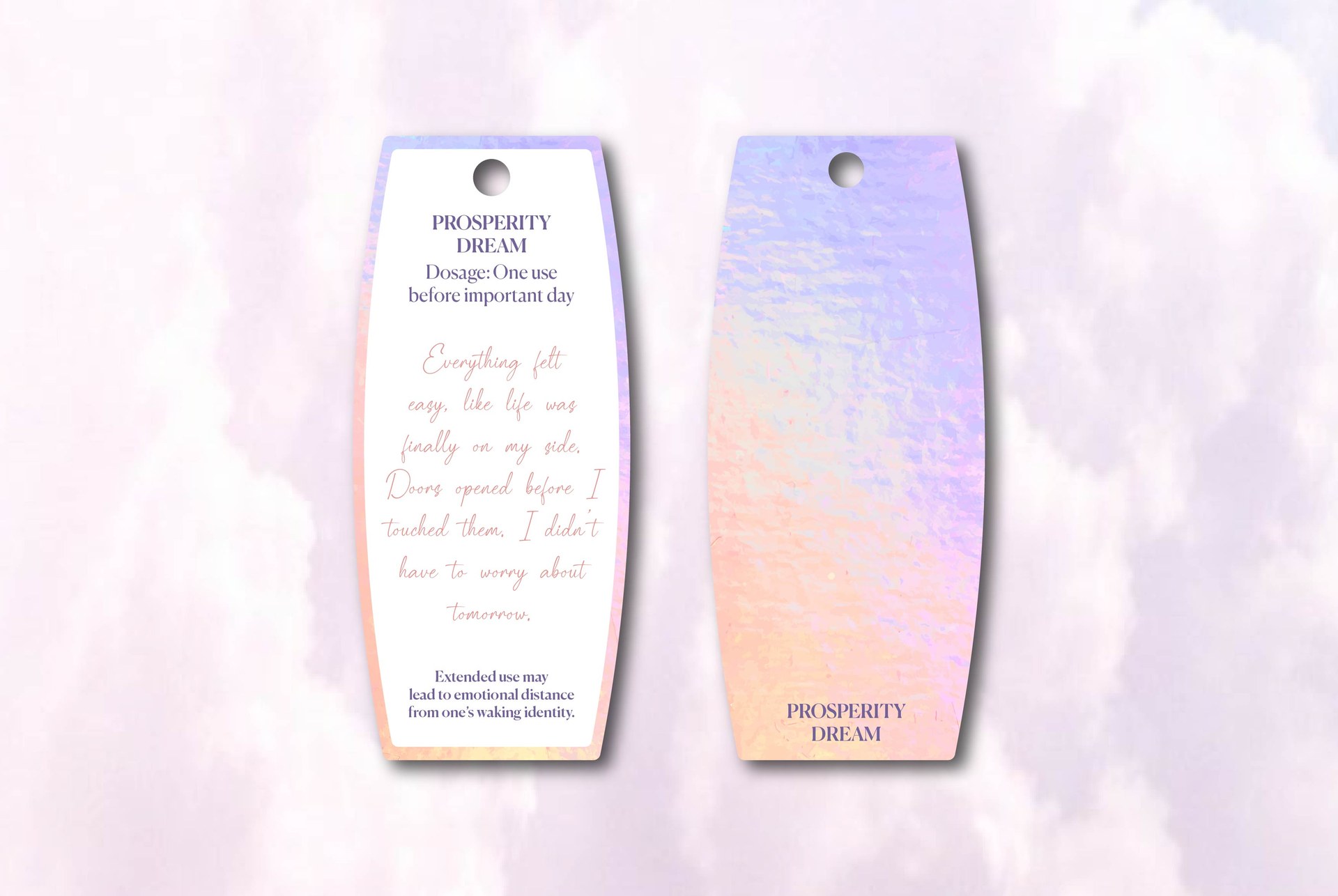
Inside, a gradient card continues the dreamlike atmosphere but introduces a subtle warning through poetic text.
The Receipt
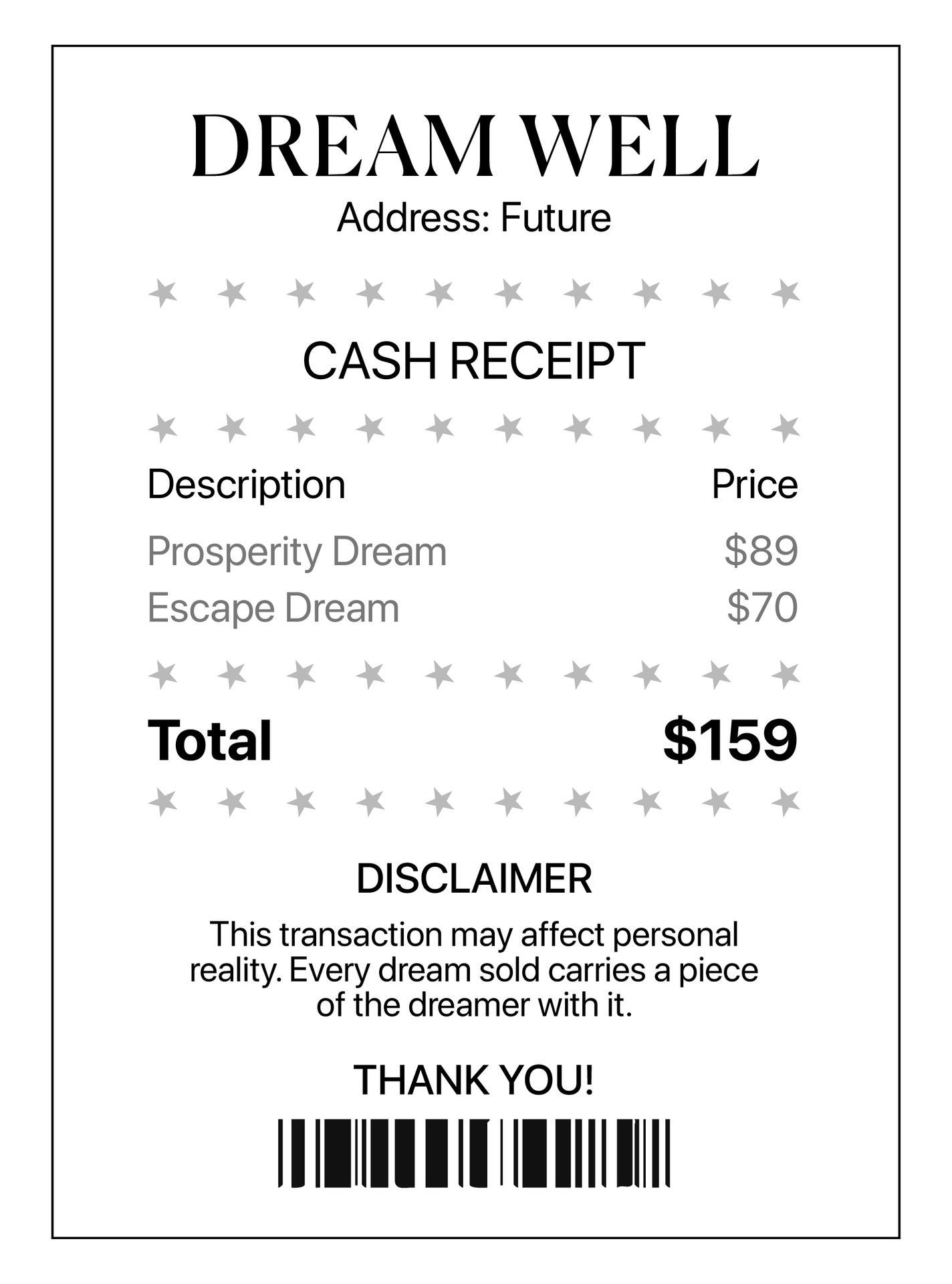
A Message to the SellerI designed the receipt as a message to the seller rather than the buyer. The disclaimer states that each transaction means giving away a part of yourself, turning an ordinary retail object into a moment of psychological discomfort.
The final system brings together speculative design, emotional storytelling, 3D and packaging to create a fictional commercial experience that questions what we might lose when something deeply personal becomes transactional.